An edited guide for the curious thirst

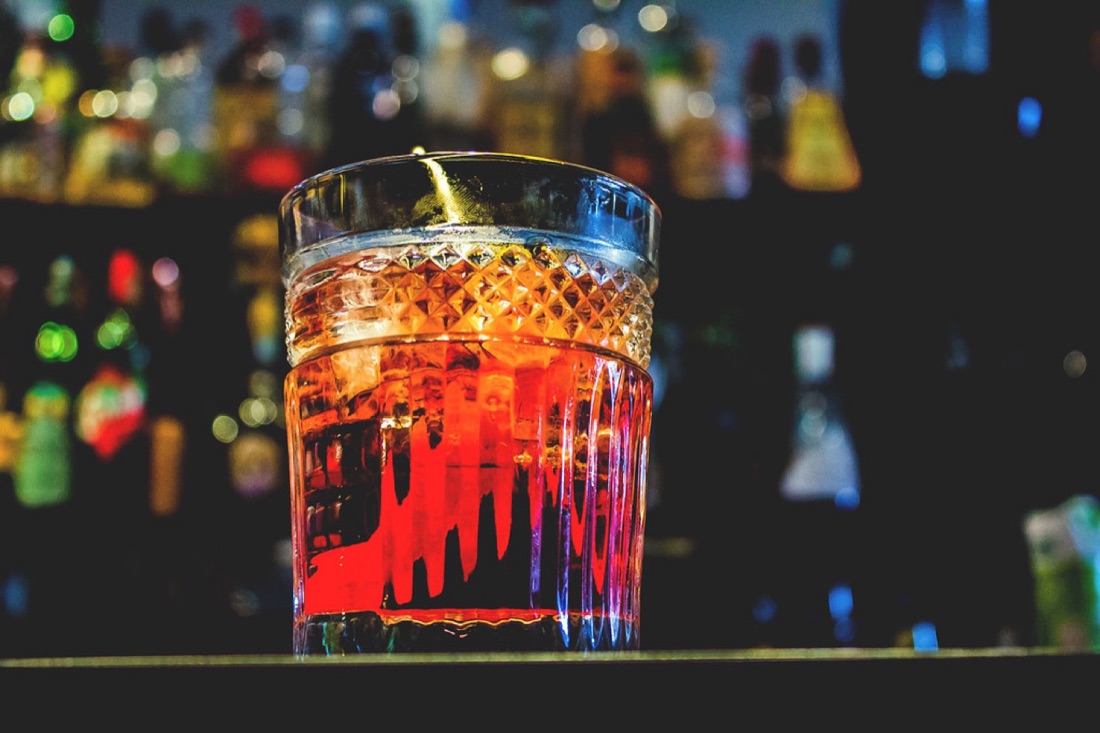
New York, in three measures — gin, vermouth, Campari.

Twenty-six addresses across Manhattan, Brooklyn and Queens — from the MacDougal Street café that turned the Negroni into a movement to a barrel-aged one in Carroll Gardens — where the bittersweet ritual is served with the reverence it deserves.

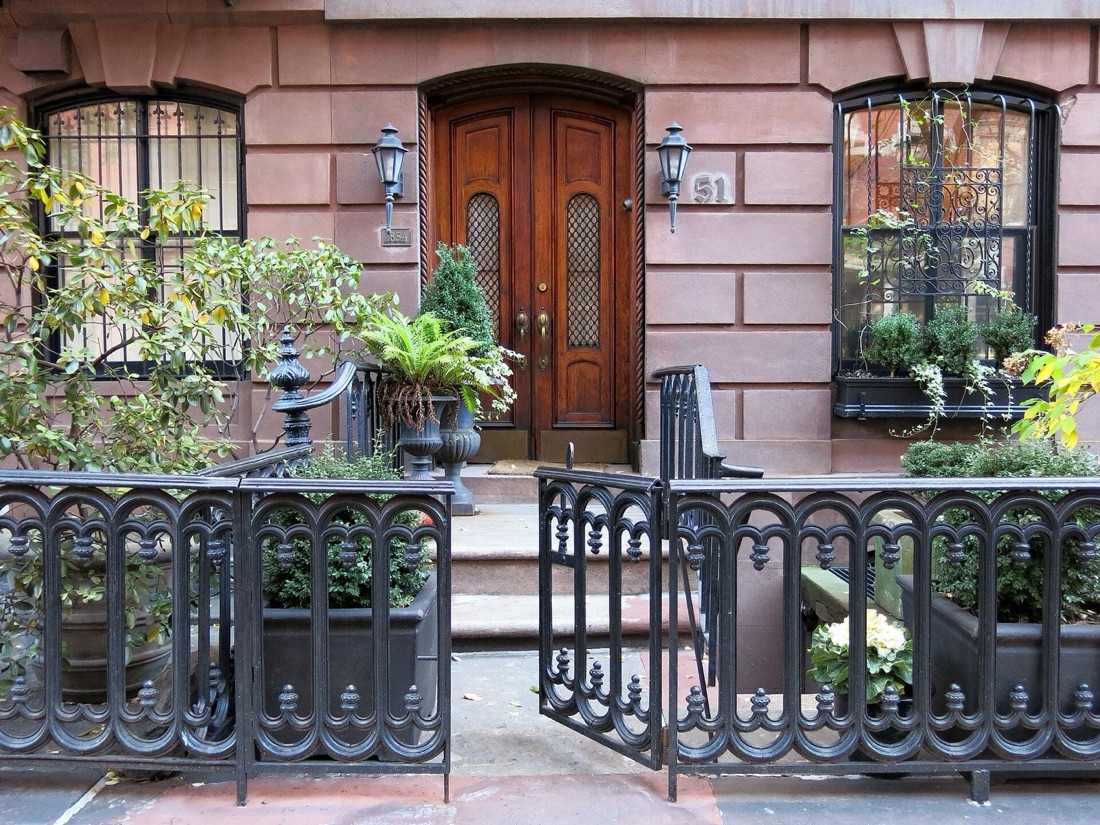
A tree-lined street of brownstones in Greenwich Village
Greenwich Village — where a 1915 Italian café became the Negroni's modern cathedral.

New York, a city of thirst

The city that turned a Florentine aperitivo into a movement.

New York did not invent the Negroni. Florence did, in 1919. But no city has done more with it since. The drink came over with the Italians — to the espresso cafés of Greenwich Village and Mulberry Street, where Campari sat behind the counter next to the sambuca — and it waited there, patiently, while the city drank Cosmopolitans. Then in 1999 a quiet bar on Eldridge Street called Milk & Honey brought back the stirred classic, hand-cut ice and all, and a generation of bartenders relearned what equal parts means.

The rest followed fast. A century-old café on MacDougal Street was reborn as Dante, put the Negroni on tap and a whole page of variations on the menu, and in 2019 was named the best bar in the world. Campari moved its American headquarters here. Negroni Week, born in 2013, found its loudest city. Today the red drink is poured by the barrel in Carroll Gardens, built tableside from house vermouth in NoMad, and made entirely from Brooklyn bottles in Williamsburg. Twenty-six addresses follow. All verified. None by accident.
The shortlist

Twenty-six addresses worth the subway ride.

Manhattan carries the weight — the Village, the East Village, Midtown, uptown — but Brooklyn now pours some of the most interesting Negronis in the city, and Queens has earned its pin. Each makes a Negroni you will recognize, and most make one you will not forget.

A geography of thirst

Where to drink, and why.

Four zones hold most of the city's Negroni weight. Each has its own tempo — and its own train.

Greenwich & West Village 10012 / 10014

The Negroni's heartland. Dante on MacDougal, the Florentine rigour of I Sodi and Bar Pisellino on Grove Street, and the newest arrival, a tavern built entirely around the drink. Walk it; nothing is more than ten minutes from anything.

East Village, LES & Nolita 10002 / 10003 / 10012

Where the craft revival happened. The Milk & Honey lineage on Eldridge Street, the bitter temple of Amor y Amargo on East 6th, and the Bowery's aperitivo counters. Come late; the good stools fill after ten.

Midtown & Uptown 10017 – 10075

The grand hotel bars and the Italian dining rooms: a build-your-own Negroni Bar by Lincoln Center, a tableside vermouth cart in NoMad, a barrel-aged pour behind a Midtown jazz bar, and the old brass of the Carlyle. Dress a little.

Brooklyn & Queens 11201 / 11211 / 11101

Across the river the Negroni gets local: an all-Brooklyn build in Williamsburg, a 102-day barrel in Carroll Gardens, the city's reference Boulevardier on Atlantic Avenue, and in Long Island City a bar with a whole section for it.

A map by subway

Three boroughs, one red thread.

The Manhattan addresses cluster downtown within a long walk of each other; the Brooklyn and Queens pins are one or two stops over the river. Make a night of a neighborhood, not of the map.

Three readings of the same glass

The Negroni, the New York way.

New York did not invent the Negroni, but it gave the drink its American cousin, its most famous modern bar, and now a version built entirely from bottles made in Brooklyn. Three readings of the glass.

The local proposition

The Brooklyn Negroni

Poured as the "delmano negroni" at Hotel Delmano · 82 Berry St, Williamsburg

  • 30 ml Greenhook Ginsmiths gin — distilled in Greenpoint
  • 30 ml Faccia Brutto Aperitivo and Forthave Aperitivo — two Brooklyn-made bitters in place of Campari
  • 30 ml sherry vermouth — in place of sweet vermouth
  • · stirred, served on the rocks

Brooklyn now distils its own gin (Greenhook, New York Distilling), macerates its own red bitters (Faccia Brutto, Forthave, St. Agrestis) and even bottles a ready-made Negroni. Hotel Delmano's house pour is the clearest expression of that: every bottle but the sherry vermouth is made a few subway stops away, and the gentian-and-rhubarb bitterness of the local aperitivi is drier and earthier than Campari's. If a "New York Negroni" exists, it is this one.

The Classic

Any address on this list, asked for politely.

  • 30 ml London Dry gin
  • 30 ml sweet (red) vermouth
  • 30 ml Campari
  • · stirred, big rock, orange peel

Equal parts. Always. The 1:1:1 ratio is the contract; the Milk & Honey school stirs it over hand-cut ice and expresses the peel like a benediction. Dante pours it from a tap; I Sodi pours it the way Florence does. Neither will break the ratio without asking.

The Boulevardier

Toby Cecchini's build · The Long Island Bar, 110 Atlantic Ave, Brooklyn

  • 30 ml rye whiskey — half Old Overholt, half Rittenhouse 100
  • 30 ml Campari
  • 30 ml sweet vermouth — a house blend of Carpano Antica and Cinzano Rosso
  • · stirred, served up in a coupe, lemon twist

The Negroni's American cousin — whiskey in place of gin — was born in 1920s Paris for an expatriate New Yorker, and it came home. Cecchini has poured this build since the Long Island Bar reopened in 2013; he tried to take it off the menu once and, in his words, "people screamed bloody murder." Order it up, with the lemon, and understand why.

From Florence to MacDougal Street

A brief, biased history.

1915

Caffè Dante opens on MacDougal Street in Greenwich Village, one of the Italian cafés where Campari and vermouth first take up residence behind a New York counter. Across the city, Little Italy's espresso bars pour the aperitivo hour the way the old country did. The drink they are waiting for does not exist yet.

1919

Florence, Caffè Casoni. Count Camillo Negroni, back from cowboy adventures in the American West, asks barman Fosco Scarselli to stiffen his Americano — gin in place of soda. The drink takes the count's name. Eight years later in Paris, Harry's New York Bar swaps the gin for bourbon for a New Yorker named Erskine Gwynne, and the Boulevardier is born.

Today

1999: Sasha Petraske opens Milk & Honey and New York relearns the stirred classic. 2013: Negroni Week begins, and the city becomes its capital. 2015: Caffè Dante is reborn as Dante, with Negronis on tap; in 2019 it is named the World's Best Bar. 2018: Campari moves its American headquarters to New York. Brooklyn starts distilling its own gin and macerating its own bitters. The red drink has never had a better city.